Popular Articles
NPK Fertilizer – Complete Guide to What It Is & How It Works
Introduction NPK fertilizer is one of the most...
Are Peonies Poisonous to Cats? What Cat Owners Should Know
Introduction If you love flowers and have a feline friend at home, you may be asking: are peonies poisonous to cats? Peonies are popular ornamental blooms prized for their lush petals and bright...
Best Houseplants for Beginners with Low Maintenance Requirements
Overwatering remains the number one reason beginner plant owners struggle with indoor plants. Selecting low-maintenance houseplants that tolerate neglect, inconsistent watering, and varied lighting...
Latest Releases
Fresh from our lab.
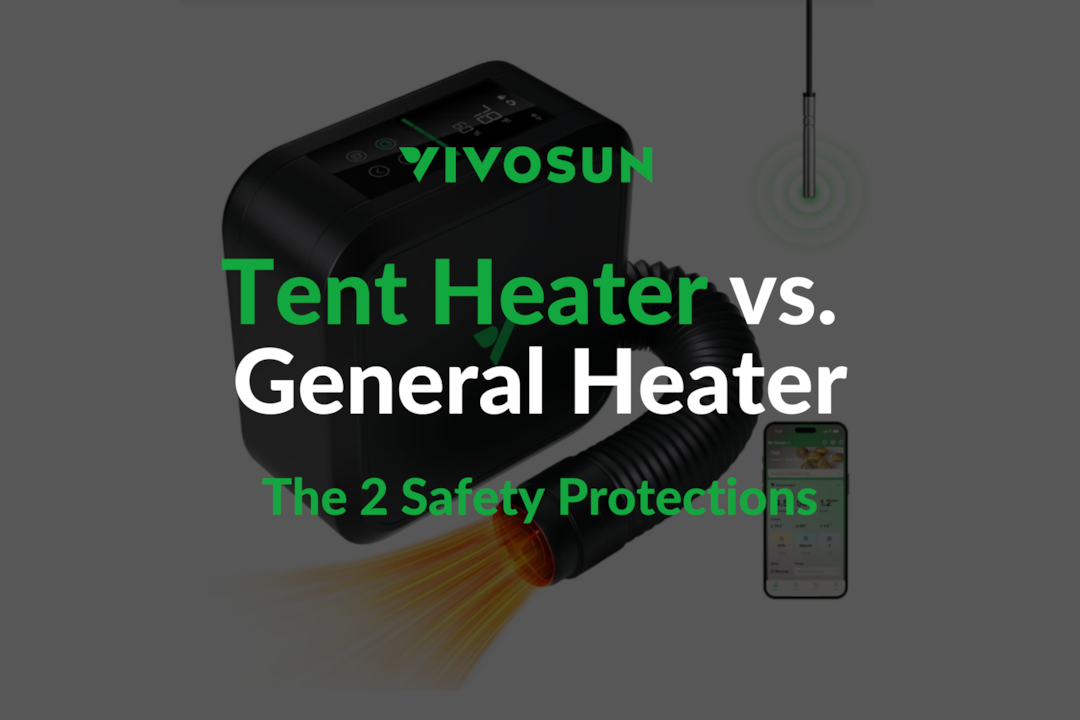
Grow Tent Heater Guide: How to Keep Your Indoor Grow Warm in Winter
Learn how to choose and use a grow tent heater for winter growing. Compare 700W and 1200W AeroFlux heaters, manage temperature and VPD, and improve indoor growing conditions.
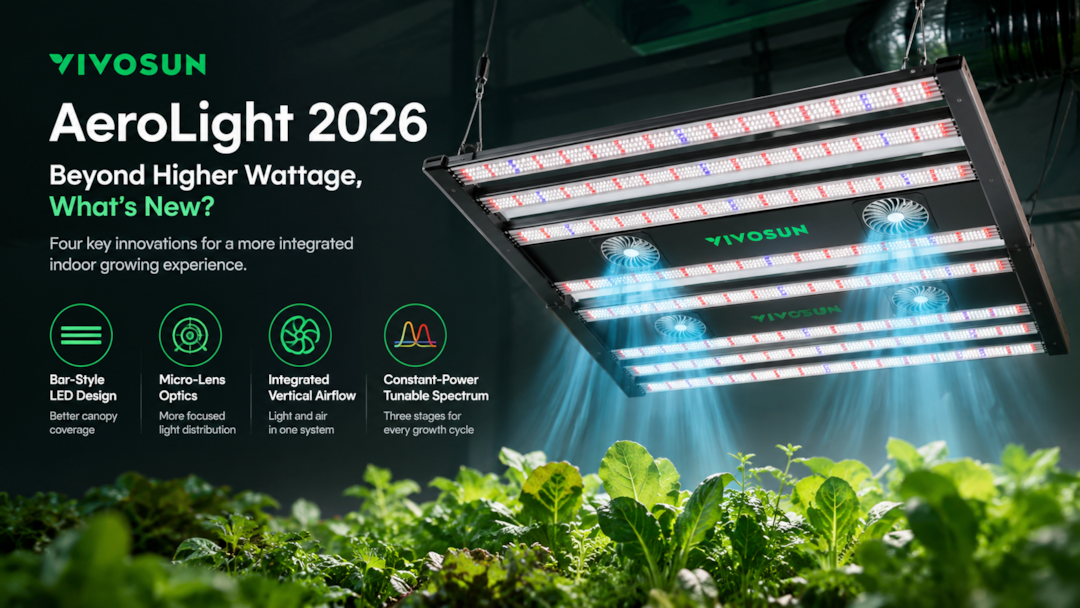
VIVOSUN AeroLight 2026: Beyond Higher Wattage, What’s New?
Discover the VIVOSUN AeroLight 2026 series, featuring bar-style LED design, micro-lens optics, integrated vertical airflow, and constant-power tunable spectrum. Explore the innovations shaping a more integrated indoor growing experience.
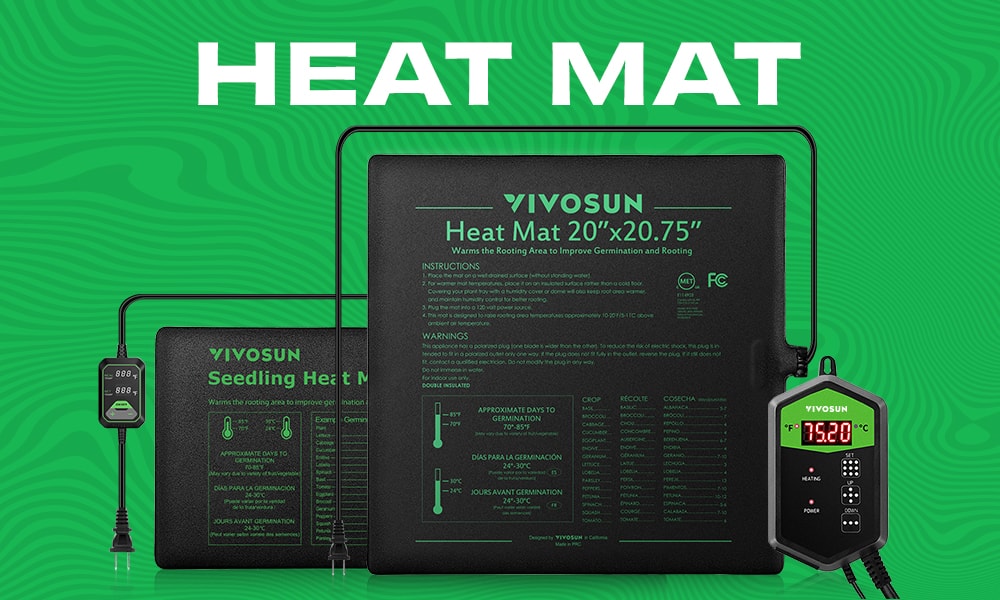
Seedling Heat Mat Guide: How to Choose and Use One for Winter Seed Starting
Seeds like tomatoes and peppers germinate faster and more evenly when the growing medium stays warm, and a seedling heat mat is the simplest way to do that. This guide shows how to pick the right size, set the right temperature, and decide whether you need a thermostat.
Basic Growing Guide
Explore